
Sushi Brokers Ingredient Guide
Masago in Sushi: Flavor, Texture & What to Expect
Those tiny orange pearls on a sushi roll do more than add color. They bring a light pop, a touch of saltiness, and a finishing detail that helps balance creamy, spicy, and fresh sushi ingredients. Often called masago, this type of sushi roe is one of the most recognizable toppings in Japanese cuisine.
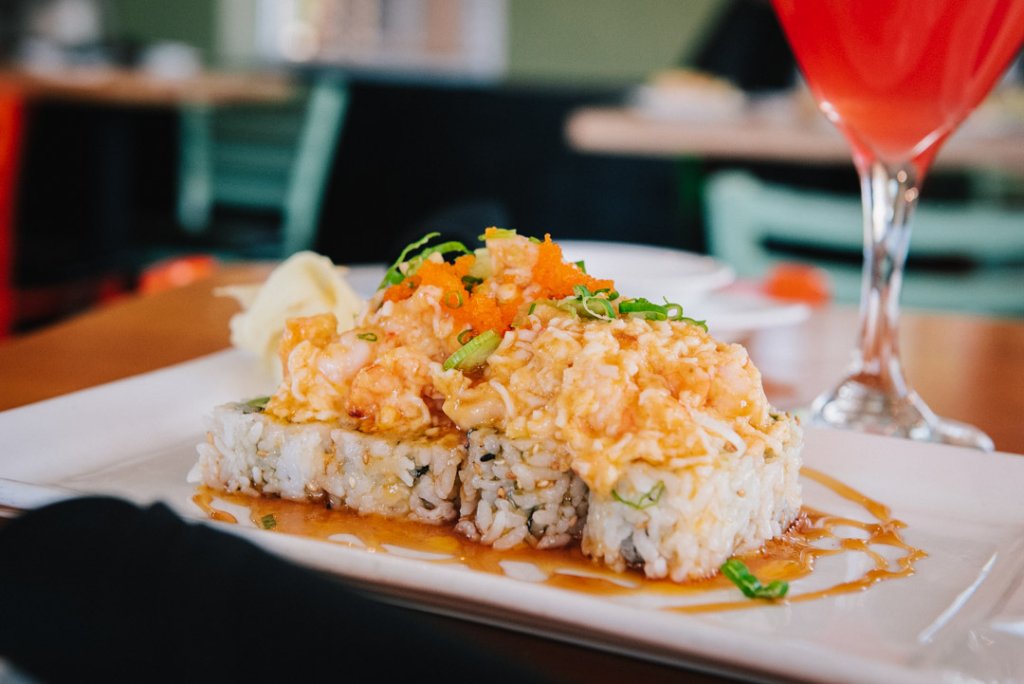
The Small Orange Pearls You See on Sushi
The small orange pearls diners often notice on top of a sushi roll are a type of fish roe. Roe has been part of Japanese cuisine for generations — used as a garnish, a topping, and a way to add a finishing touch of color and texture to a composed roll.
One of the most common is masago, which is capelin roe. It is prized for its fine texture, mild flavor, and bright finish, making it a natural fit for sushi rolls that benefit from a delicate, salty accent. Chefs use it to bring visual contrast and a light crispness without competing with the fish or sauce underneath.
It is worth noting that not every orange roe topping is necessarily the same ingredient. Some sushi rolls may use masago, while others may use tobiko — flying fish roe — or another roe preparation. The two look similar at a glance, but they offer a meaningfully different experience in size, texture, and flavor.
In short: Masago is a type of capelin roe commonly used in sushi for its fine texture, mild flavor, and bright finishing touch.
Why Sushi Chefs Use Roe
Roe is not just decoration. It changes how a roll looks, feels, and tastes — four ways it shapes the guest experience.
Color
A bright finishing contrast that brings visual life to a sushi roll.
Texture
A delicate pop or light crispness that breaks up softer ingredients.
Flavor
A mild salty note that deepens a roll without overpowering it.
Balance
Helps complement rich, spicy, creamy, or fresh sushi ingredients.
What Does Masago Taste Like?
Masago brings a quiet, balanced flavor rather than a dominant one. On its own, it is:
Mildly salty
A light salinity that echoes the ocean without being aggressive.
Lightly sweet
A subtle sweetness that rounds out the salt.
Delicate
It does not overpower the fish, rice, or sauce it accompanies.
Textural
A small pop or crisp finish that adds dimension to every bite.
Flavor and texture can vary based on preparation, seasoning, and how the roe is used in a specific roll. A light garnish will read differently than a roe that is mixed into a spicy blend — so it is best to think of these as general characteristics rather than a single fixed taste.
Masago and Tobiko: Similar Look, Different Experience
The two most common orange roe toppings share a color — but the experience on the plate is distinctly different.
Masago
- Usually made from capelin roe
- Typically smaller in size
- Softer, more delicate texture
- Mild flavor profile
- Often used as a garnish, topping, or inside specialty rolls
Tobiko
- Usually made from flying fish roe
- Typically larger in size
- More pronounced pop or crunch
- Often used as a visual finishing ingredient
- May appear in several colors depending on preparation
Both are popular sushi roe options. The difference usually comes down to size, texture, flavor, and the role they play in a specific dish — not which one is “better.”
How Roe Fits Into a Sushi Roll
Roe is a versatile ingredient. Depending on the roll and current preparation, it may be used as a topping, garnish, finishing detail, or part of the overall flavor balance. Here is how it pairs naturally with common sushi ingredients:
Creamy avocado
The light pop of roe cuts through the richness of avocado.
Spicy tuna & seafood blends
A bright, salty finish tempers chili heat and spicy mayo.
Crab & California-style rolls
Adds texture and color to mild, familiar fillings.
Fresh fish
A crisp garnish that frames sashimi-grade toppings.
Crunchy toppings
Layered textures — tempura flakes and roe create dimension.
Rich sauces
Eel sauce, spicy mayo, and ponzu benefit from a salty accent.
Baked & specialty rolls
A finishing detail that brings polish to composed rolls.
Specific rolls and preparations vary by location and season. For the most current ingredient details on any roll, ask your server or explore the full Sushi Brokers menu.
Ordering Sushi With Roe at Sushi Brokers
If you are curious about roe, trying it for the first time, or prefer to avoid it, your server is your best resource. They can walk you through current ingredients, preparation details, and which rolls come with roe as a standard finishing touch.
Many menu items may be customizable depending on the dish and kitchen availability — so if you would like a roll without roe, or want to try one that features it, just ask.
Guests with allergies, dietary restrictions, pregnancy-related concerns, or ingredient preferences should speak with their server before ordering. A few things worth knowing: roe is fish roe, not vegetarian or vegan. It is not shellfish, but cross-contact may be possible in a sushi kitchen where multiple ingredients are handled.
Discover Sushi at Sushi Brokers
Whether you are trying sushi roe for the first time or already know the flavor and texture you enjoy, Sushi Brokers offers a menu built for both familiar favorites and new discoveries. Our team is always happy to help guests navigate ingredients, customization options, and current sushi selections.
Sushi in Scottsdale
17025 N Scottsdale Rd — our North Scottsdale flagship near Loop 101.
Sushi in Arcadia / Phoenix
4419 E Indian School Rd in the heart of Arcadia.
Sushi in Gilbert
350 N Gilbert Rd serving the East Valley.
Sushi in North Phoenix
Convenient access from North Phoenix and central Phoenix.
Ready to explore? Browse the main menu, see our most popular sushi rolls, learn how to order sushi like a pro, or browse healthy sushi options. Comparing value? Read our sushi pricing guide, or check twice-daily happy hour — available at all three Valley locations.